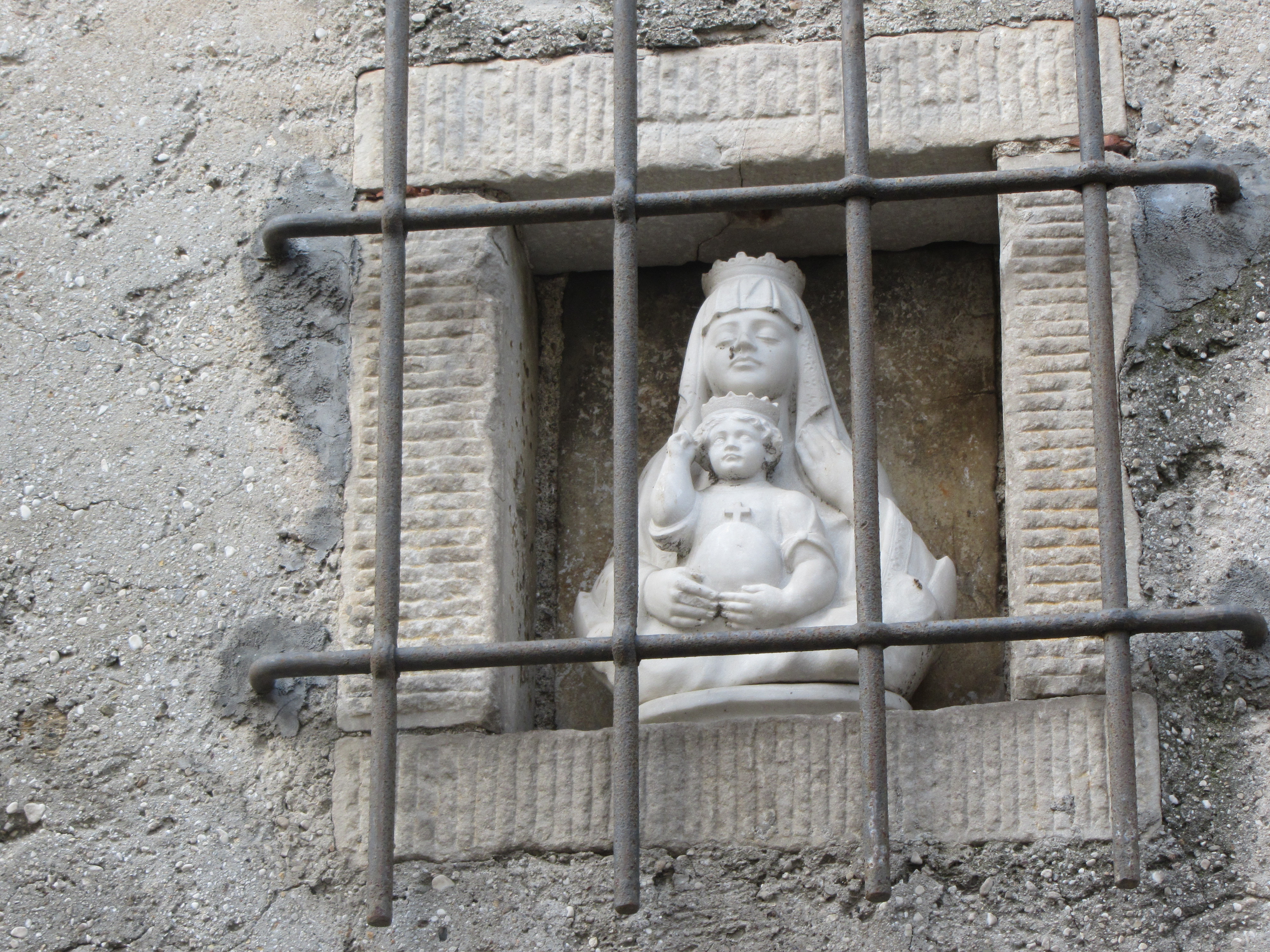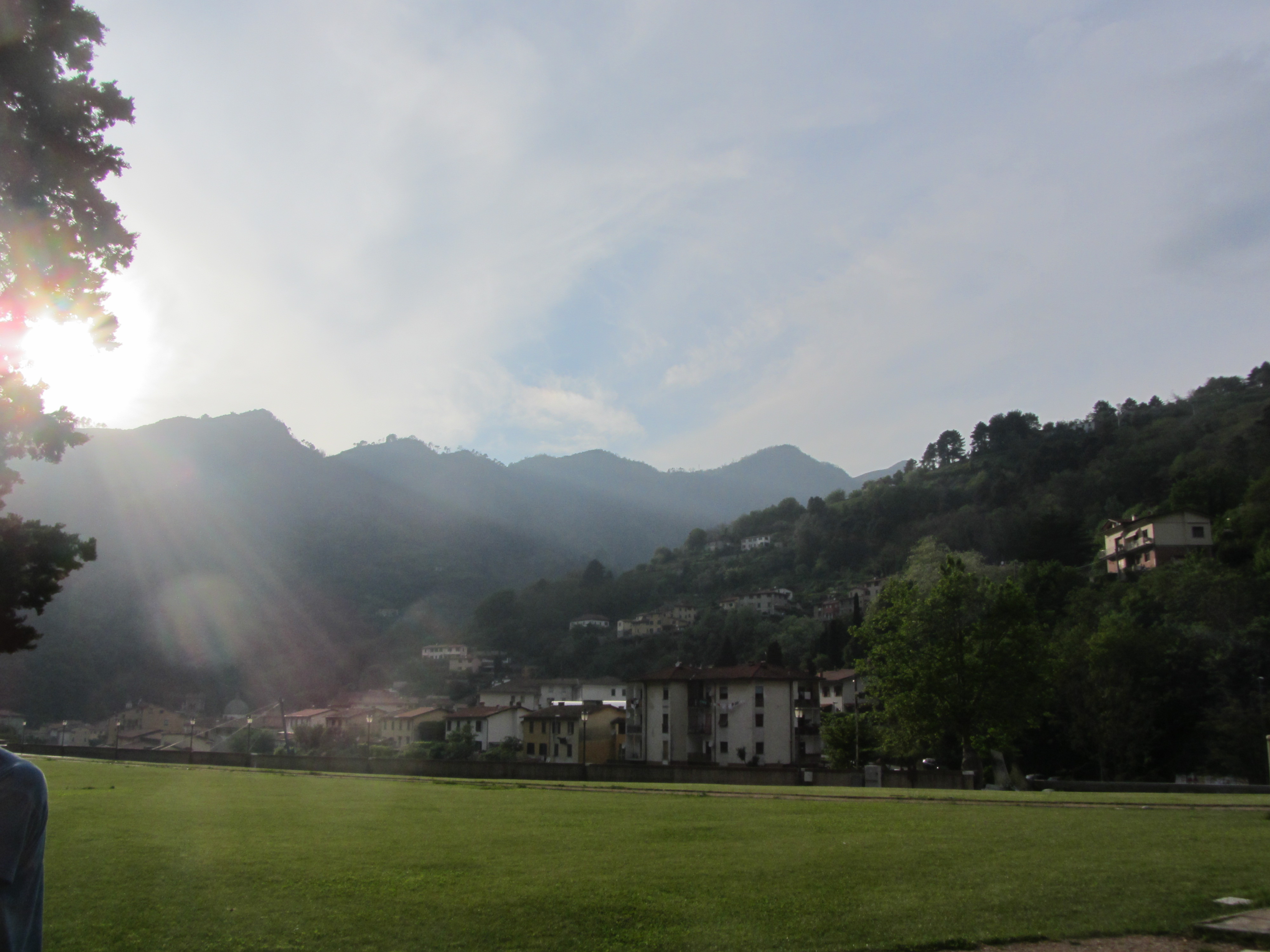
Situated in the province of Lucca and the Apuan Alps park, Seravezza is a classic Versilian village that nevertheless harbours a few distinctive eccentricities, including a mysterious skeleton.
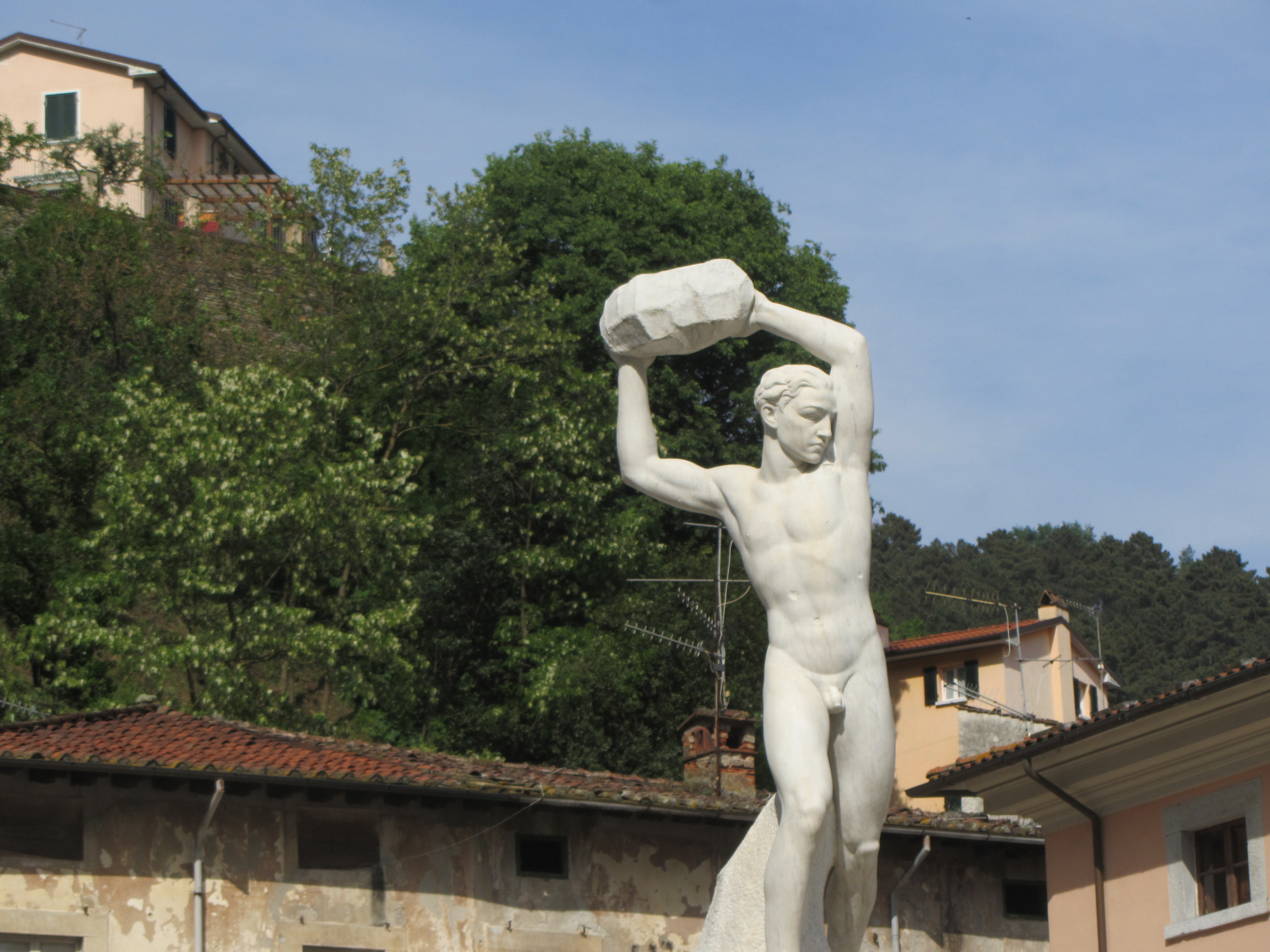
Proximity to the Cervaiole marble quarries and sponsorship through the centuries by powerful patrons such as Grand Duke Leopold II has ensured that Seravezza has always been a relatively wealthy community.

When you’re in Seravezza, don’t miss the time capsule apothecary off the attractive main square. It’s been carefully preserved in its nineteenth century state, with original wood fittings and the old desk where prescriptions were written out. It’s quite the antidote to Boots and Superdrug.

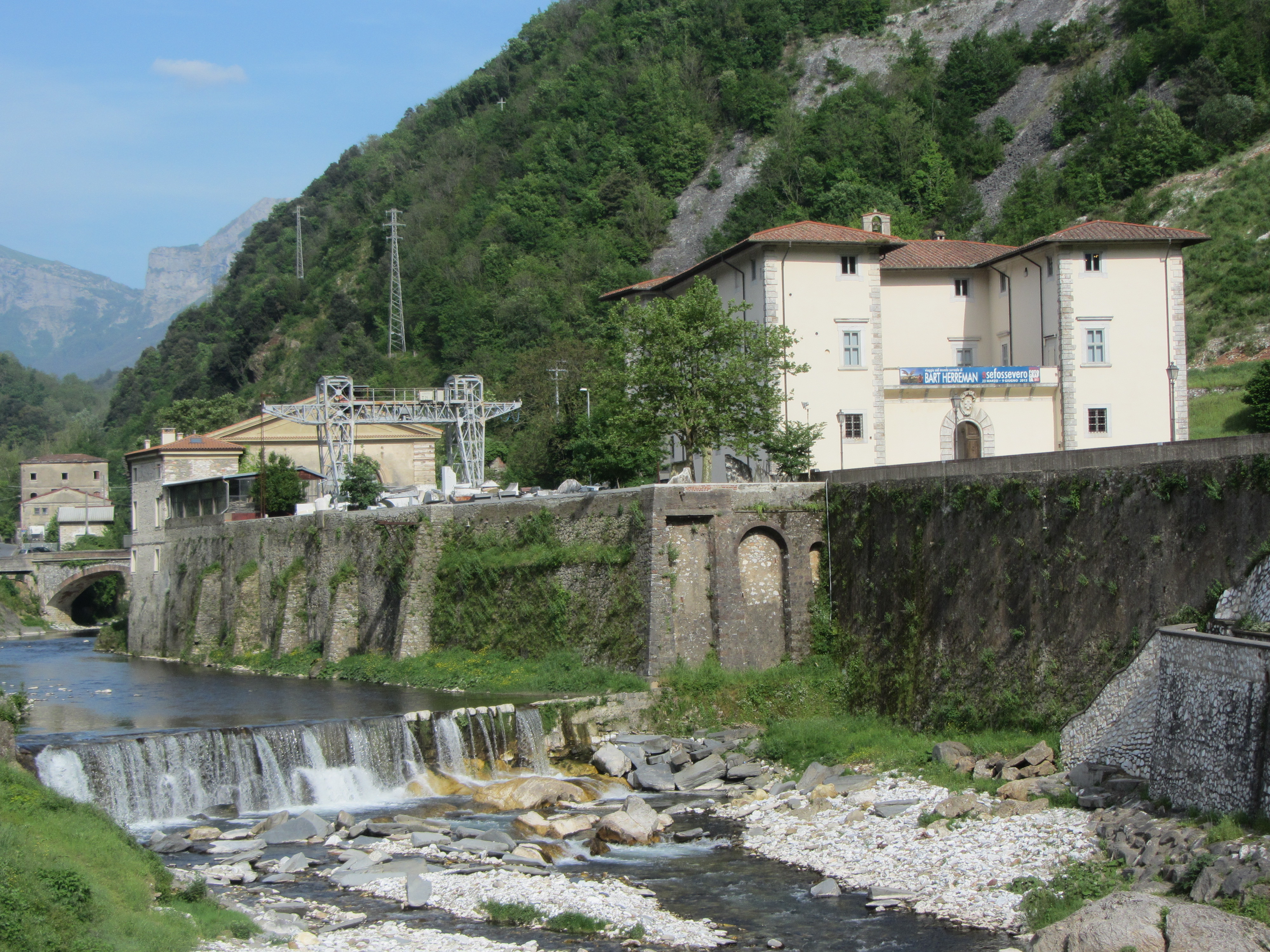
Our ramble through the village, organised by Wish Versilia, led us across an ancient stone bridge to the imposing sixteenth century Palazzo Mediceo in Seravezza. Evocatively, you can still see wheel marks where carriages used to drive right through the main entrance of the palace and into the courtyard.
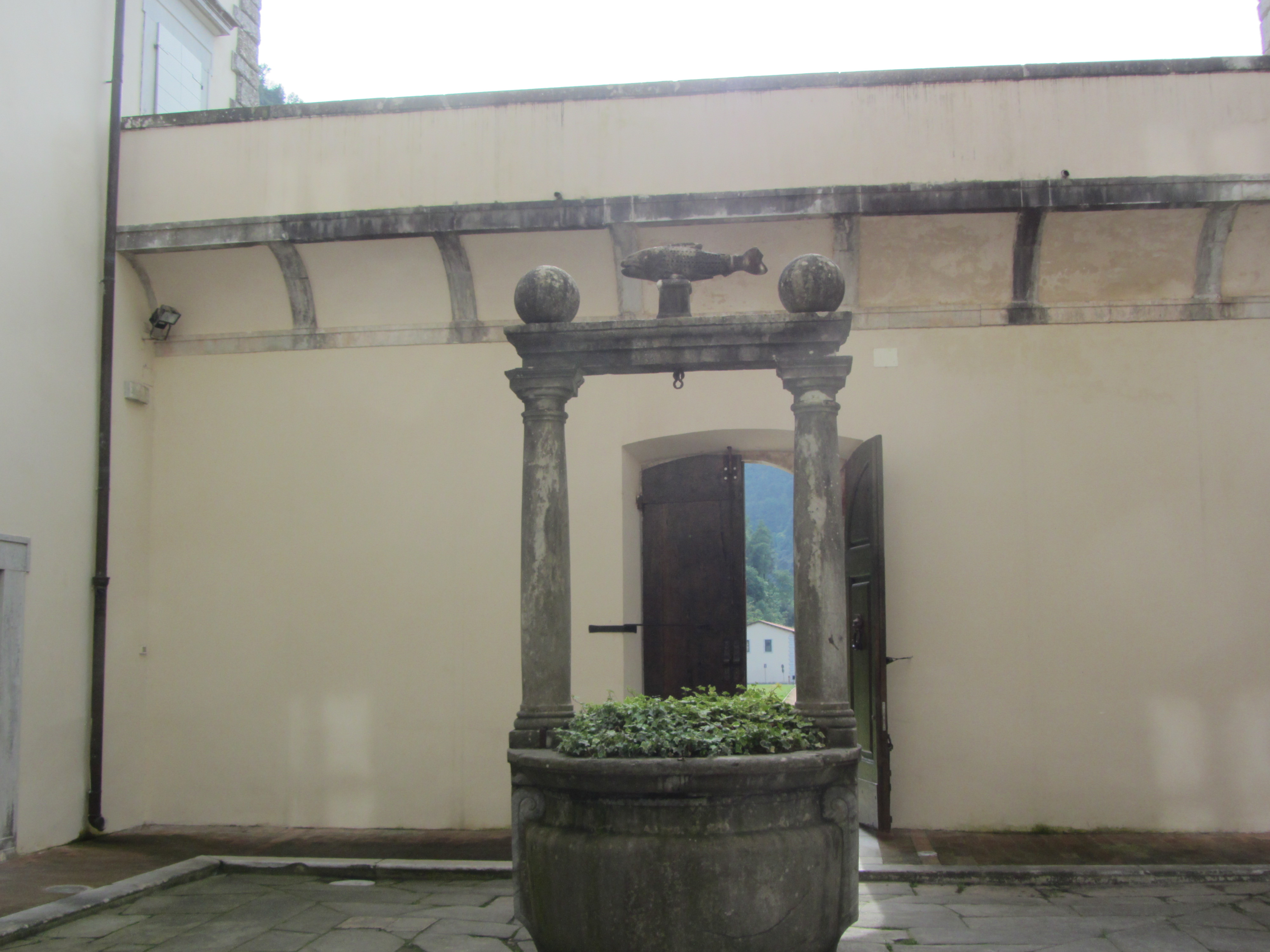
The building has been through many different guises, including a stretch as a town hall, before being restored to a cultural monument in the 1970s. One of its functions today is as an art gallery, and a particularly important space in which to exhibit local art. The Palazzo Mediceo also houses a public library and archive – I felt a pang of jealousy towards everyone working in there since it was a beyond idyllic place to sit and learn.
After the art gallery, flooded with light, our trip to the basement created a more intriguing and eerie tone. In the subterranean vault, we visited the Medici jars and bones of the Francigena pilgrim. The latter were discovered during excavation to build an elevator in 2002. Carbon dating by the University of Pisa indicated the man was likely to have lived in the twelfth century and was about 35 years old when he died. They also revealed the cause of death, an aneurism, but why he was buried in this site is mysterious. Analysis of his humble diet as well as of the nature of his resting place suggests he may have been a pauper simply passing through on pilgrimage when he died and was rather summarily buried.
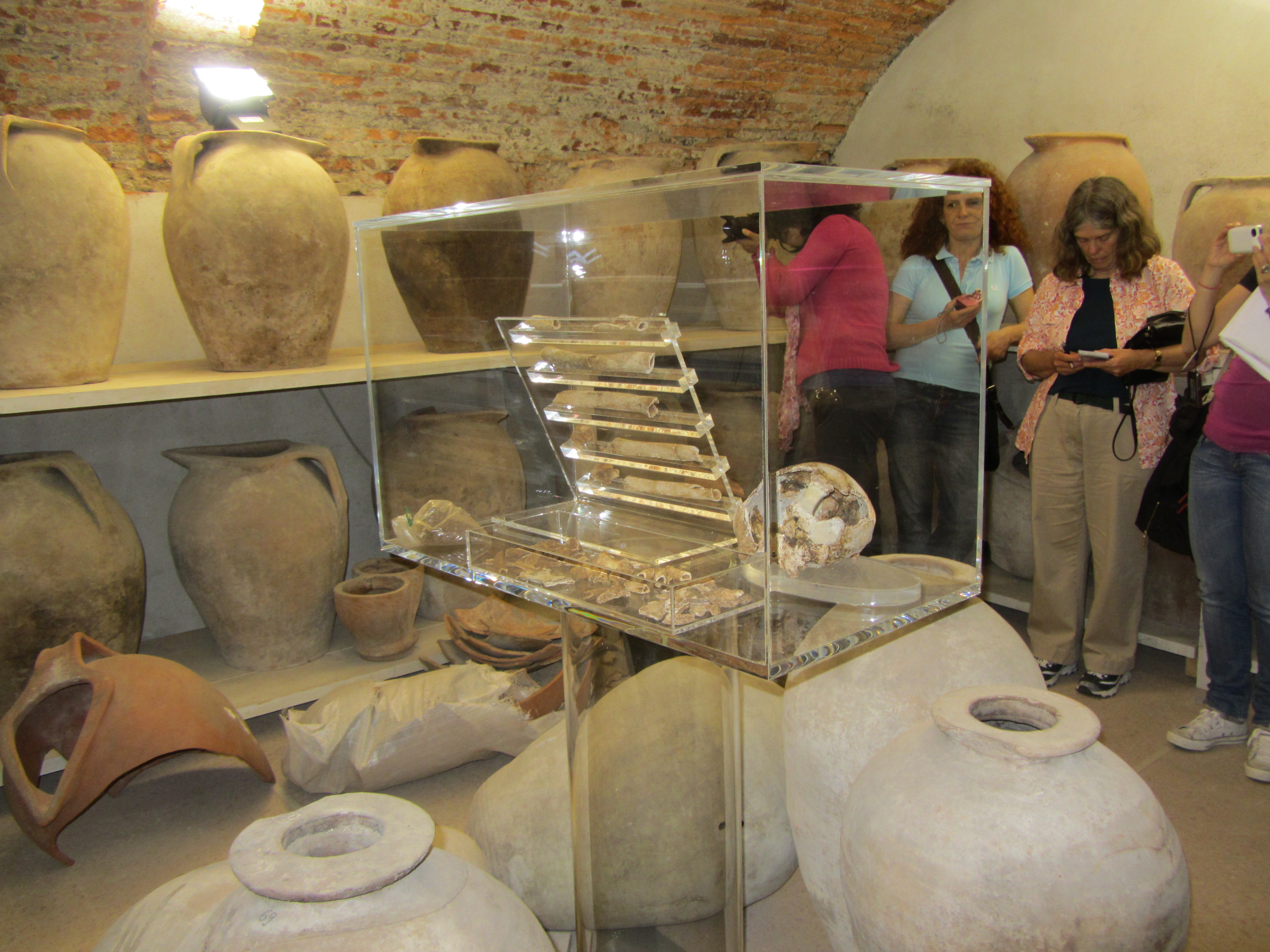
Each of the Medici jars has a symbol, or stamp which indicates either the producer or the shop that they were made in, and the collection of the Medici family is one of the largest to be found in Tuscany.
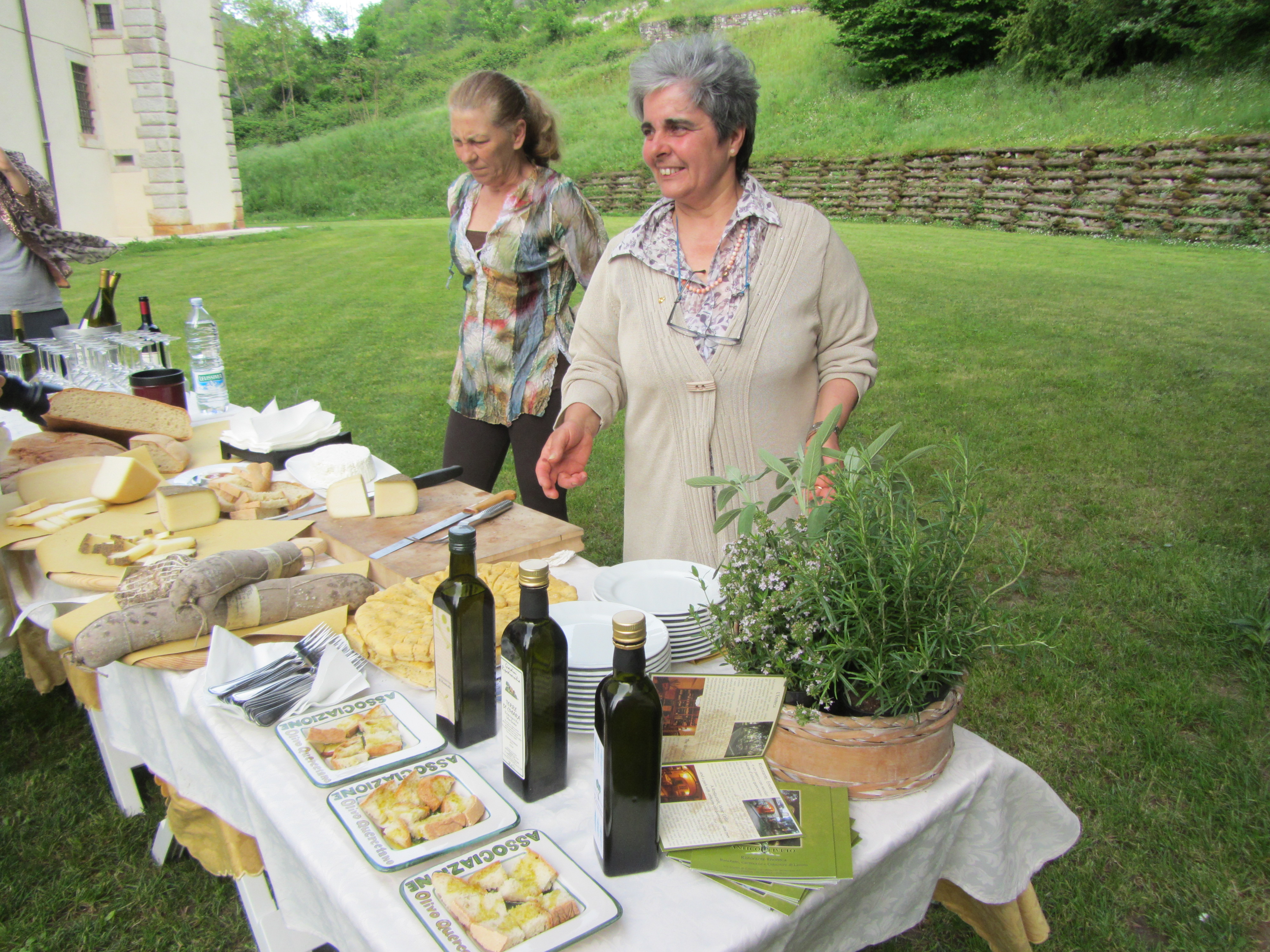
This crash course in local history, was followed by a wonderful and welcome tasting session provided outside on groaning trestle tables. Against my better intentions, I ate far too much of three varieties of “Quercetano” extra virgin olive oil and excellent local wines, cheeses and cured meats.
You can get a good flavour of Seravezza in a couple of hours, and use it as a stopping point, as so many merchants and travellers have through the years, during a meander through this lush mountain region of Tuscany.